I recently took a trip to Puerto Vallarta, Mexico. Coming from Wisconsin in January, the vacation was a welcome respite filled with sun, sand, and amazing cuisine. My wife and I stayed with her parents at a condo now on its second generation of ownership in the family. Without the crutch of a resort and the bevy of restaurant options that come with it, my in-laws have turned to food tours as a way to expand their knowledge of the nearby restaurant scene.
We’ve all visited a new city or country and hungered for a taste of local fare, but sometimes, discerning a true hole-in-the-wall wonder from a well-placed tourist trap is a challenge. Enter the food tour. A good one will take you to places you dared not enter alone if you manage to find them at all. This year, the family booked a private six-person tour that included a shuttle to take us to multiple of Puerto Vallarta’s culturally rich neighborhoods.
Our tour guide was a woman named Miel, a Mexican native as charming as her name would suggest. (Miel means “honey” in many romantic languages, including Spanish.) Between stops for tacos, tortas, and tamales, Miel time and again stressed the importance of one food central to every Mexican table: the salsa.
“You have to choose, red or green,” she told us over a truly remarkable plate of chicken mole. “I’m a green person because that’s what my family makes. My mother told me when I was young that if I wanted red, I had to make it myself or find it somewhere else.”
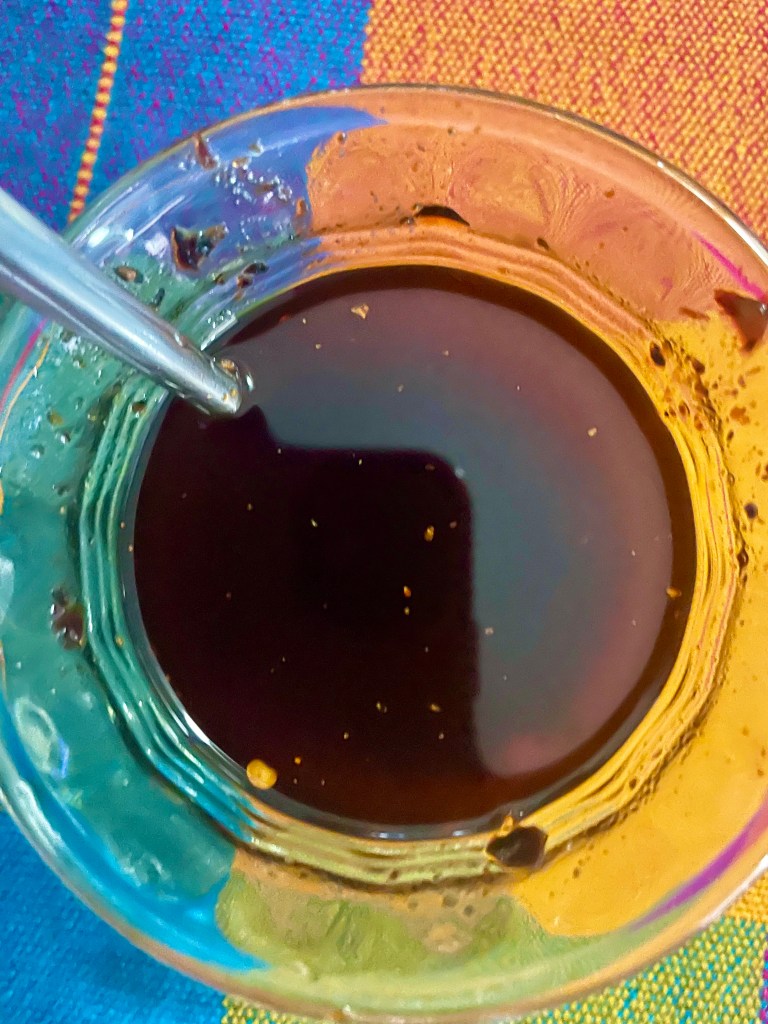
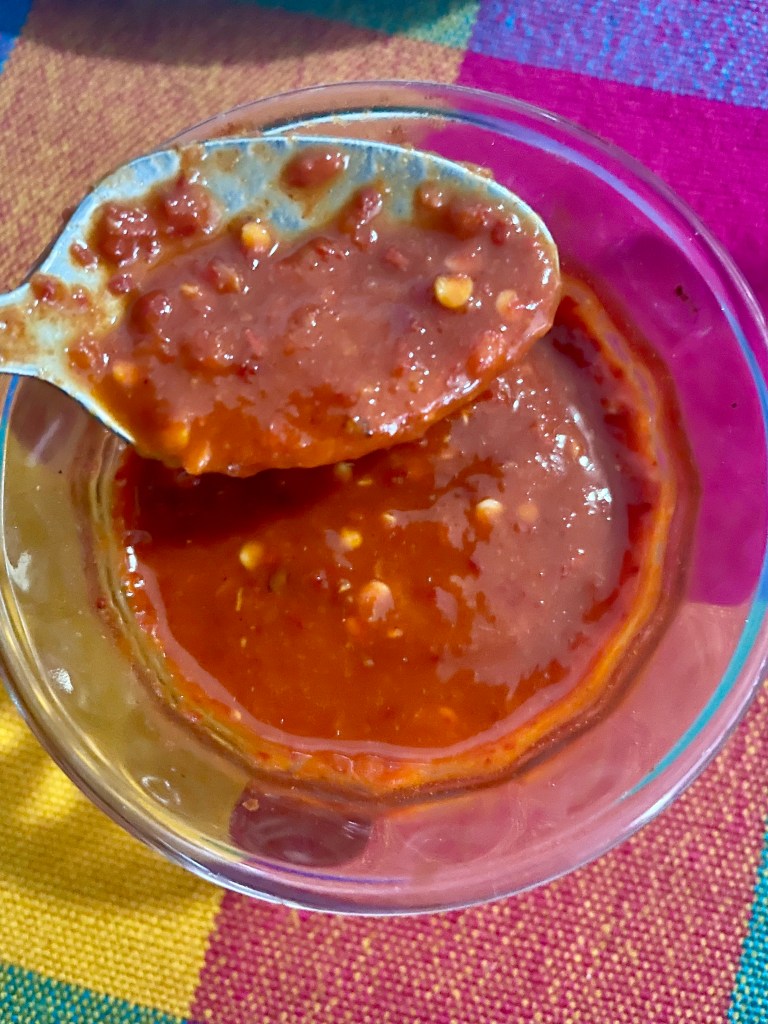
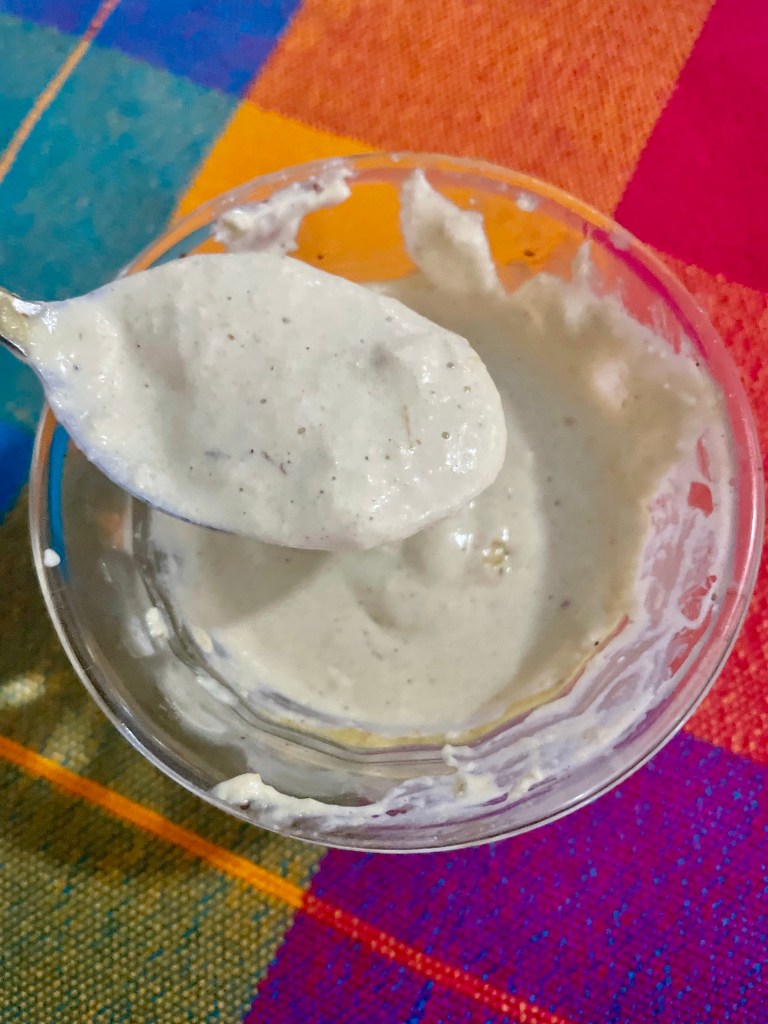
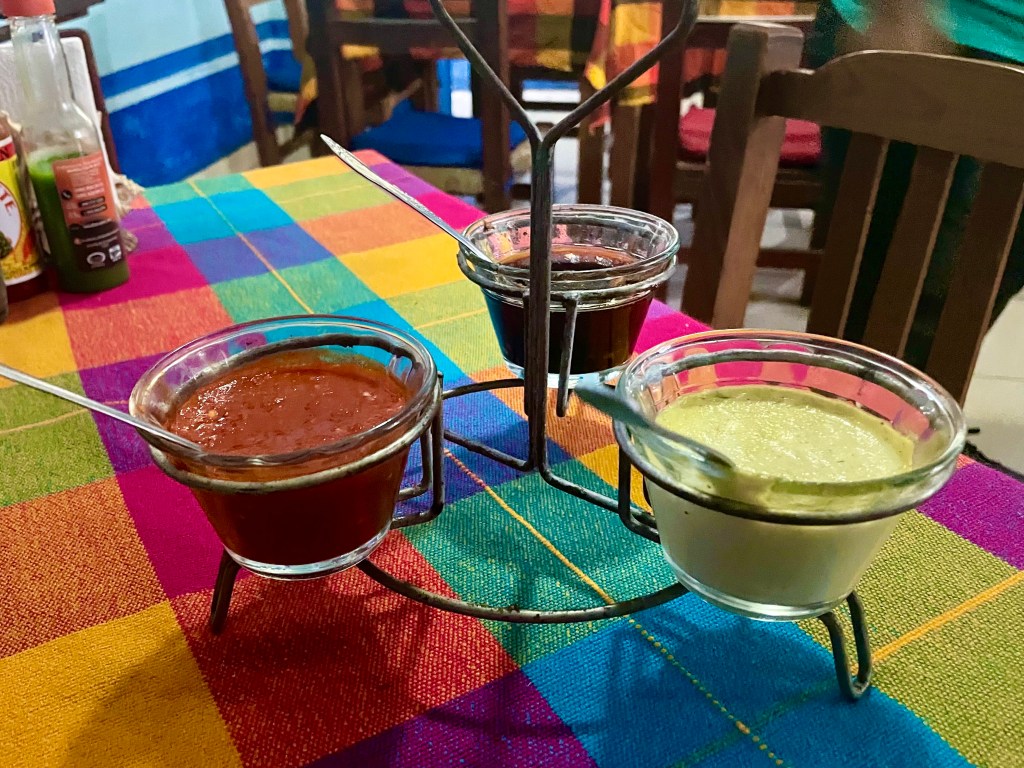
Stroll into a restaurant in Vallarta, and you’ll find salsa waiting at the table. All establishments have at least two varieties, with some offering as many as four to choose from. Contrary to their Americanized counterparts, which are reserved almost solely for the top of a tortilla chip, Mexican salsa is a key component of all meals.
“The first thing you have to do is taste it,” Miel said. She demonstrated to us the proper technique. After washing your hands, a good idea anytime you sit down for a meal, you make a fist. On the flat surface between your pointer finger and thumb, you place a drop of salsa and no more than a drop. From there, you lick the sauce off and begin your salsa journey.
As a native Midwestern American, my wife mistakenly assumed the green salsa on our first table was mild. She placed more than the recommended drop on her hand and dove in. Moments later, the widening of her eyes and a lunge for her water confirmed the first truth of authentic Mexican salsa: the color doesn’t tell you anything about the spice level.
“It’s all about the chilis,” Miel explained. “Some green salsas are hotter than red ones, which is why you have to try them all to find your own preference.”
Lesson number one learned, we proceeded more carefully and began to explore the possibilities the humble sauce presented. Beyond spice level and color, a wide range of flavor profiles became evident. Everything from tomato-forward and chunky to thin and more vinegary, almost like a hot sauce, graced our tables. For my part, there wasn’t a single salsa that I disliked, which opened a new set of doors. A single taco could be transformed from one bite to the next with a deft dollop of salsa.
“Anytime you enter a restaurant, you have to look at the table and see what kind of salsa they have,” Miel instructed us as we took our places around a sturdy wooden table. We had arrived at the tamale portion of our tour located in a venue equal parts restaurant, open-air kitchen, and a family’s private residence. “If you see jarred salsa, turn around and leave. If they don’t use homemade salsa, then you don’t want to eat there.”
The look in Miel’s eyes told us she was dead serious. Mexicans do not joke around when it comes to salsa. We asked her if there were any respectable jarred salsa, but she shook her head in disappointment at the mere thought of unscrewing a cap to obtain something so important. While I’m sure there are plenty of restaurants serving amazing homemade salsa in the American Southwest, we’re Midwesterners, and for us, jarred salsa is often the only option.
Salsa is hugely popular in the United States. The sauce hit the American mainstream in the 1980s and, by the early 90s, was doing better sales than ketchup. But even with the explosion of unique brands and artisan offerings, the US can’t hold a candle to Mexico’s salsa dominance. Like many Mexican foods, it has ancient roots. The first recorded salsa was noted in the mid-1500s by a Spanish missionary, but the Aztecs were likely making the stuff long before then.
In many ways, salsa is the ultimate condiment. Its range, from taste bud-awakening, throat-burning, or tear-inducing spice to smooth, creamy, and perhaps even a little sweet, makes salsa the perfect companion to every Mexican meal.
Our food tour ended on a sweet note as we entered a small shop that specialized in “frozen pies,” an invention of the owner that resembled a small cheesecake with a graham cracker crust, but rather than a cheesecake filling, the body of the confection was a dairy concoction that resembled frozen Cool-Whip in texture. As I sat down at the table, I instinctively looked for salsa, but alas, everything has a limit.
The rest of the trip, though, was heavily influenced by Miel’s teachings. Every time we entered a restaurant, before cracking open a menu or ordering a cerveza, everyone in our party washed their hands, balled up their fists, and prepared to sample the house salsas. Across the week of authentic dining, we found that no two salsas were ever the same. Variety, after all, is the spice of life and in Mexico, that spice comes from salsa.


Leave a Reply